The Difference You Never Knew About Farmed Vs. Wild Salmon
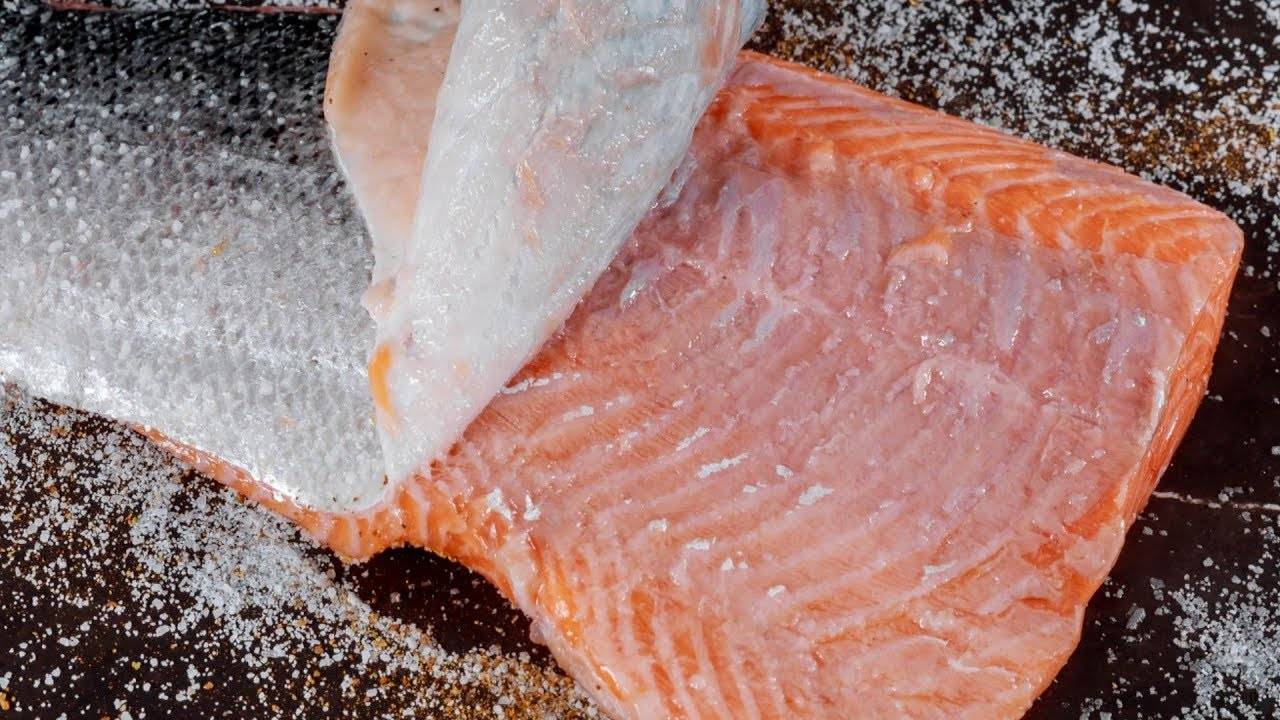
If you eat fish on the regular, there's a high likelihood salmon is a favorite. In fact, the popularity of salmon is only surpassed by canned tuna and shrimp. But are the salmon you're eating farmed or wild — and does it even matter? You bet it does, but maybe not the way you thought.<br />
<br />
Salmon is salmon, no matter where it comes from… right? Not exactly.<br />
<br />
According to Heathline, there are some pretty staggering differences in the nutritional content of farm-raised and wild salmon. That's because they grow up eating entirely different things. While wild salmon eats mostly, well, wild things, like small invertebrates, farmed salmon is fed a diet of processed fish food that can vary by producer.<br />
<br />
There's a lot of variation here depending on how much you're eating and how it's prepared, but here are some guidelines based on half of a fillet. While that half of a fillet of wild salmon comes with only 281 calories, that jumps to around 412 calories when you're talking about the farm-raised stuff. How about fat? Wild salmon has around 13 grams of fat, while the farm-raised kind comes with a whopping 27 grams. That's a huge leap! <br />
<br />
But what about fatty acids? How much omega-3 you're getting in that serving of salmon is a tricky thing to figure out. According to Harvard Health, studies on the omega-3 content of the major varieties of farm-raised salmon can very between 717 mg and 1533 mg. That's a huge difference, but they also say that the farm raised stuff generally has more than the wild.<br />
<br />
Not all of the nutrients in salmon are impacted in the same way — they both contain about the same amounts of cholesterol and magnesium — but that just goes to show that not all salmon is created equal.<br />
<br />
Watch the video to learn about the difference you never knew about farmed vs. wild salmon.<br />
<br />
#Salmon #Fishing #WildSalmon<br />
<br />
Nutritional differences | <span class="playtime" data-second="15" title="Nutritional differences |">0:15</span><br />
Pollution differences | <span class="playtime" data-second="92" title="Pollution differences |">1:32</span><br />
What's in a color? | <span class="playtime" data-second="148" title="What&#039;s in a color? |">2:28</span><br />
The mercury debate | <span class="playtime" data-second="216" title="The mercury debate |">3:36</span><br />
Antibiotic anxiety | <span class="playtime" data-second="259" title="Antibiotic anxiety |">4:19</span><br />
Parasite party | <span class="playtime" data-second="326" title="Parasite party |">5:26</span><br />
Fishy ethics | <span class="playtime" data-second="417" title="Fishy ethics |">6:57</span><br />
The taste test | <span class="playtime" data-second="463" title="The taste test |">7:43</span><br />
Confusing labels | <span class="playtime" data-second="510" title="Confusing labels |">8:30</span><br />
Threat to the wild | <span class="playtime" data-second="569" title="Threat to the wild |">9:29</span><i class="fa fa-language transViewIcon clickable" title="Translation"></i>
The Difference You Never Knew About Farmed Vs. Wild Salmon
Last tagged 2026/03/19 06:34
https://www.youtube.com/watch?v=MBZv8MkngoI
Play musics without ads!
Share on SNS
Facebook
Twitter
Naver
Naver Blog
Kakaotalk
Naver Line
Naver Band
Kakaostory
Copy URL
The Difference You Never Knew About Farmed Vs. Wild Salmon
The Difference You Never Knew About Farmed Vs. Wild Salmon
2K+
The Difference You Never Knew About Farmed Vs. Wild Salmon
01:17Nutritional differences |00:56Pollution differences |01:08What's in a color? |00:43The mercury debate |01:07Antibiotic anxiety |01:31Parasite party |00:46Fishy ethics |00:47The taste test |00:59Confusing labels |50:31Threat to the wild |
The Difference You Never Knew About Farmed Vs. Wild Salmon
00:00
Loading...
https://hoyatag.com/107805The Difference You Never Knew About Farmed Vs. Wild Salmon
If you eat fish on the regular, there's a high likelihood salmon is a favorite. In fact, the popularity of salmon is only surpassed by canned tuna and shrimp. But are the salmon you're eating farmed or wild — and does it even matter? You bet it does, but maybe not the way you thought.
Salmon is salmon, no matter where it comes from… right? Not exactly.
According to Heathline, there are some pretty staggering differences in the nutritional content of farm-raised and wild salmon. That's because they grow up eating entirely different things. While wild salmon eats mostly, well, wild things, like small invertebrates, farmed salmon is fed a diet of processed fish food that can vary by producer.
There's a lot of variation here depending on how much you're eating and how it's prepared, but here are some guidelines based on half of a fillet. While that half of a fillet of wild salmon comes with only 281 calories, that jumps to around 412 calories when you're talking about the farm-raised stuff. How about fat? Wild salmon has around 13 grams of fat, while the farm-raised kind comes with a whopping 27 grams. That's a huge leap!
But what about fatty acids? How much omega-3 you're getting in that serving of salmon is a tricky thing to figure out. According to Harvard Health, studies on the omega-3 content of the major varieties of farm-raised salmon can very between 717 mg and 1533 mg. That's a huge difference, but they also say that the farm raised stuff generally has more than the wild.
Not all of the nutrients in salmon are impacted in the same way — they both contain about the same amounts of cholesterol and magnesium — but that just goes to show that not all salmon is created equal.
Watch the video to learn about the difference you never knew about farmed vs. wild salmon.
#Salmon #Fishing #WildSalmon
Nutritional differences | 0:15
Pollution differences | 1:32
What's in a color? | 2:28
The mercury debate | 3:36
Antibiotic anxiety | 4:19
Parasite party | 5:26
Fishy ethics | 6:57
The taste test | 7:43
Confusing labels | 8:30
Threat to the wild | 9:29
 https://www.youtube.com/embed/MBZv8MkngoI










 Hoyatag

View comments